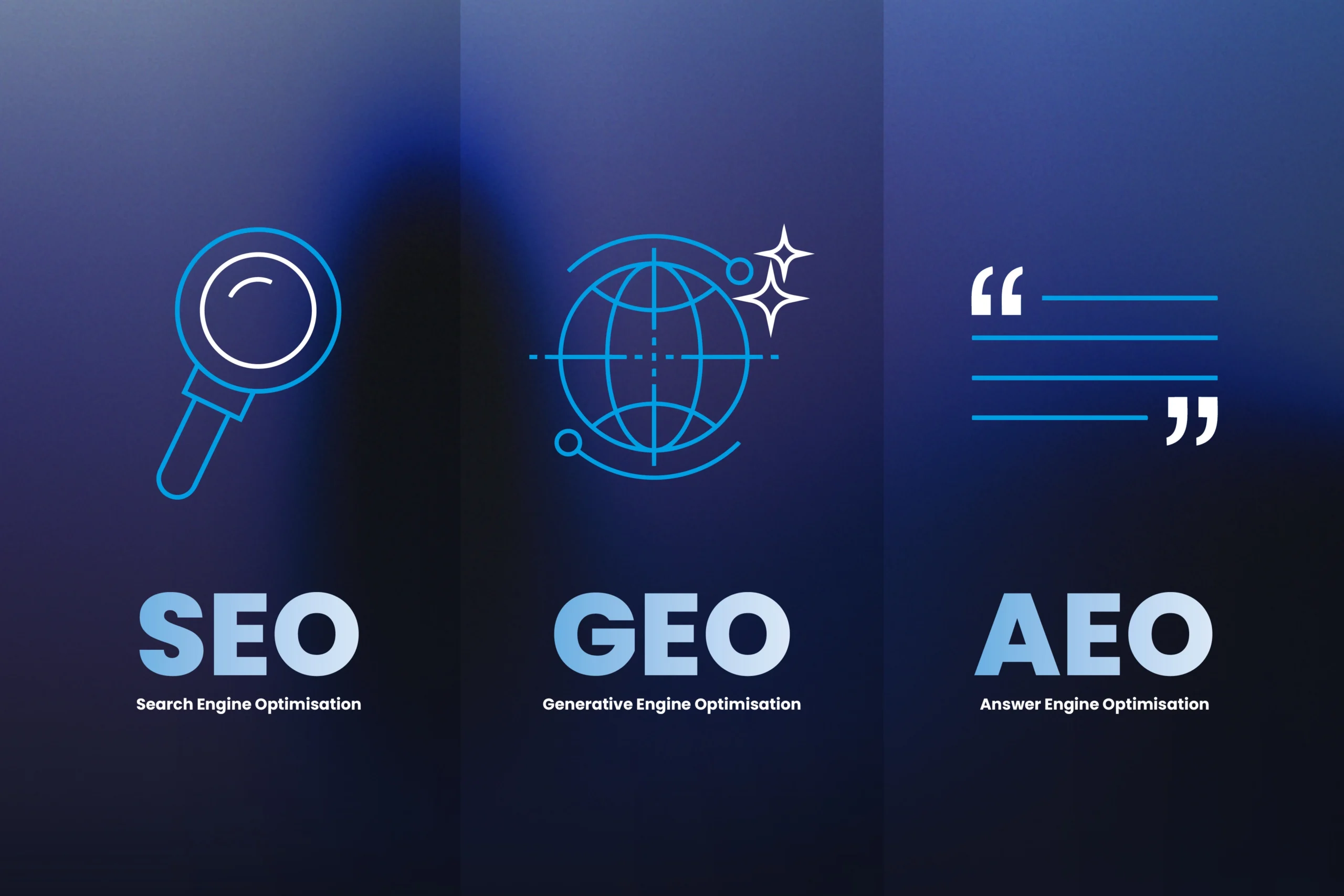
The search landscape is undergoing a fundamental transformation, driven by artificial intelligence, conversational interfaces, and evolving user expectations. Traditional SEO is no longer the sole driver of visibility. Instead, emerging strategies like Answer Engine Optimization (AEO) and Generative Engine Optimization (GEO) are redefining how brands are discovered online. A key concept gaining traction in this shift is Perplexity SEO, which reflects how AI-powered search tools interpret, summarize, and present information to users in real time. For growing brands, understanding and adapting to these changes is essential for maintaining relevance and authority in a rapidly evolving digital ecosystem.
Understanding the Shift from SEO to AI-Driven Search
For decades, SEO has focused on optimizing web pages to rank higher in search engine results pages (SERPs). This involved keyword targeting, backlink building, technical optimization, and content creation. However, with the rise of AI-powered search engines and assistants, users are no longer just clicking links—they are receiving direct answers.
Search is becoming more conversational and intent-driven. Instead of typing fragmented queries, users now ask full questions and expect immediate, accurate responses. This shift requires brands to rethink how their content is structured, delivered, and optimized.
What is Answer Engine Optimization (AEO)?
Answer Engine Optimization (AEO) is the practice of optimizing content so it can be directly used by search engines and AI assistants to answer user queries. Rather than focusing solely on ranking, AEO aims to position your content as the best answer.
Key Elements of AEO
Clear, concise answers: Content should address specific questions directly.
Structured data: Using schema markup helps search engines understand context.
Featured snippets optimization: Content formatted for quick extraction increases visibility.
Conversational tone: Writing in a natural, question-and-answer format aligns with voice search.
AEO is especially important in environments where users may never click through to a website. Instead, the answer itself becomes the primary interaction.
What is Generative Engine Optimization (GEO)?
Generative Engine Optimization (GEO) focuses on optimizing content for AI systems that generate responses rather than simply retrieving them. These systems synthesize information from multiple sources to create comprehensive answers.
Core Principles of GEO
Contextual relevance: Content must provide depth and context, not just surface-level information.
Authority signals: Expertise, credibility, and trustworthiness are critical.
Semantic richness: Using related terms and concepts helps AI understand the broader topic.
Content completeness: Covering a topic thoroughly increases the likelihood of being referenced.
GEO is about becoming part of the knowledge base that AI models draw from when constructing responses.
Why Perplexity SEO Matters for Modern Brands
Perplexity SEO represents a new paradigm where search engines behave more like research assistants than directories. Instead of listing links, they generate summarized insights from multiple sources.
For brands, this means:
Visibility depends on inclusion in AI-generated answers, not just rankings.
Content must be accurate, trustworthy, and well-structured.
Authority is built through consistency and topical depth, not just backlinks.
Brands that embrace this approach can position themselves as trusted sources in AI-driven ecosystems.
The Role of Content in AEO and GEO
Content remains the foundation of search visibility, but its purpose is evolving. Instead of writing solely for human readers or search engine crawlers, brands must now write for AI interpreters.
Best Practices for Future-Ready Content
Answer-first writing: Start with the key takeaway, then expand.
Use headings strategically: Clear structure helps AI parse content.
Incorporate FAQs: Question-based sections align with user queries.
Maintain accuracy: Misinformation reduces trust and visibility.
Update regularly: Fresh content signals relevance.
Content should serve both humans and machines, bridging the gap between readability and machine comprehension.
How AI is Changing User Behavior
User behavior is shifting toward efficiency and immediacy. People want:
Instant answers
Personalized responses
Minimal friction in finding information
This has led to a decline in traditional click-through behavior. Instead, users rely on summaries, voice responses, and AI-generated insights.
For brands, this means fewer opportunities to capture traffic—but greater importance in being the source of the answer.
Building Authority in the Age of AI Search
Authority is no longer just about domain strength or backlink profiles. It’s about being recognized as a reliable source of truth.
Strategies to Build Authority
Publish in-depth, expert-level content
Demonstrate real-world experience
Use credible references and data
Maintain consistency across topics
Establish a clear brand voice
AI systems prioritize content that demonstrates expertise and trustworthiness. Brands that invest in quality will stand out.
Technical Optimization Still Matters
While content is critical, technical foundations remain essential.
Key Technical Considerations
Fast loading speeds
Mobile responsiveness
Clean site architecture
Structured data implementation
Secure browsing (HTTPS)
These elements ensure that content is accessible and easily interpreted by both search engines and AI systems.
Measuring Success in AEO and GEO
Traditional metrics like rankings and traffic are no longer sufficient. Brands must adopt new ways of measuring performance.
Emerging Metrics
Answer inclusion rate: How often your content appears in AI-generated responses
Brand mentions in summaries
Engagement with AI interfaces
Content authority signals
Success is increasingly about influence rather than clicks.
Preparing for the Future of Search
The transition to AI-driven search is not a temporary trend—it’s a long-term evolution. Brands that adapt early will have a significant advantage.
Action Steps for Growing Brands
Audit existing content for clarity and relevance
Optimize for question-based queries
Invest in authoritative, long-form content
Implement structured data
Monitor AI search platforms and trends
Adapting to AEO and GEO requires a shift in mindset, from ranking-focused strategies to answer-focused execution.
Conclusion
The future of search is being shaped by artificial intelligence, and the rules of visibility are changing. AEO and GEO are not replacements for SEO—they are its next evolution. Brands that understand how AI interprets and delivers information will be better positioned to succeed in this new landscape. By focusing on clarity, authority, and structured content, businesses can ensure they remain visible and relevant in an increasingly competitive digital environment. The next frontier of digital visibility lies in mastering AI Overviews optimization.
Comments