Shiva Statues: Discover the Spiritual Meaning, Symbolism and Beauty of Lord Shiva Idols
Lord Shiva is one of the most worshipped deities in Hinduism, representing transformation, wisdom, meditation, and divine power. Known by many names, including Mahadev, Bholenath, Shankar, and Adiyogi, Lord Shiva holds a special place in the hearts of millions of devotees. His divine personality represents the balance between creation and destruction, reminding us that every ending brings the possibility of a new beginning.
Shiva statues are more than traditional religious sculptures. They reflect India's rich spiritual heritage, artistic craftsmanship, and timeless cultural traditions. Whether displayed in a home temple, living room, meditation corner, or office, a beautiful Lord Shiva statues can become a meaningful symbol of devotion and inner peace.
From peaceful meditating Shiva idols to magnificent Nataraja sculptures and sacred Shivling designs, there are different forms of Shiva statues to suit various preferences and devotional spaces.
If you are planning to bring home a Mahadev idol, understanding its meaning, symbolism, and different styles can help you make the right choice.
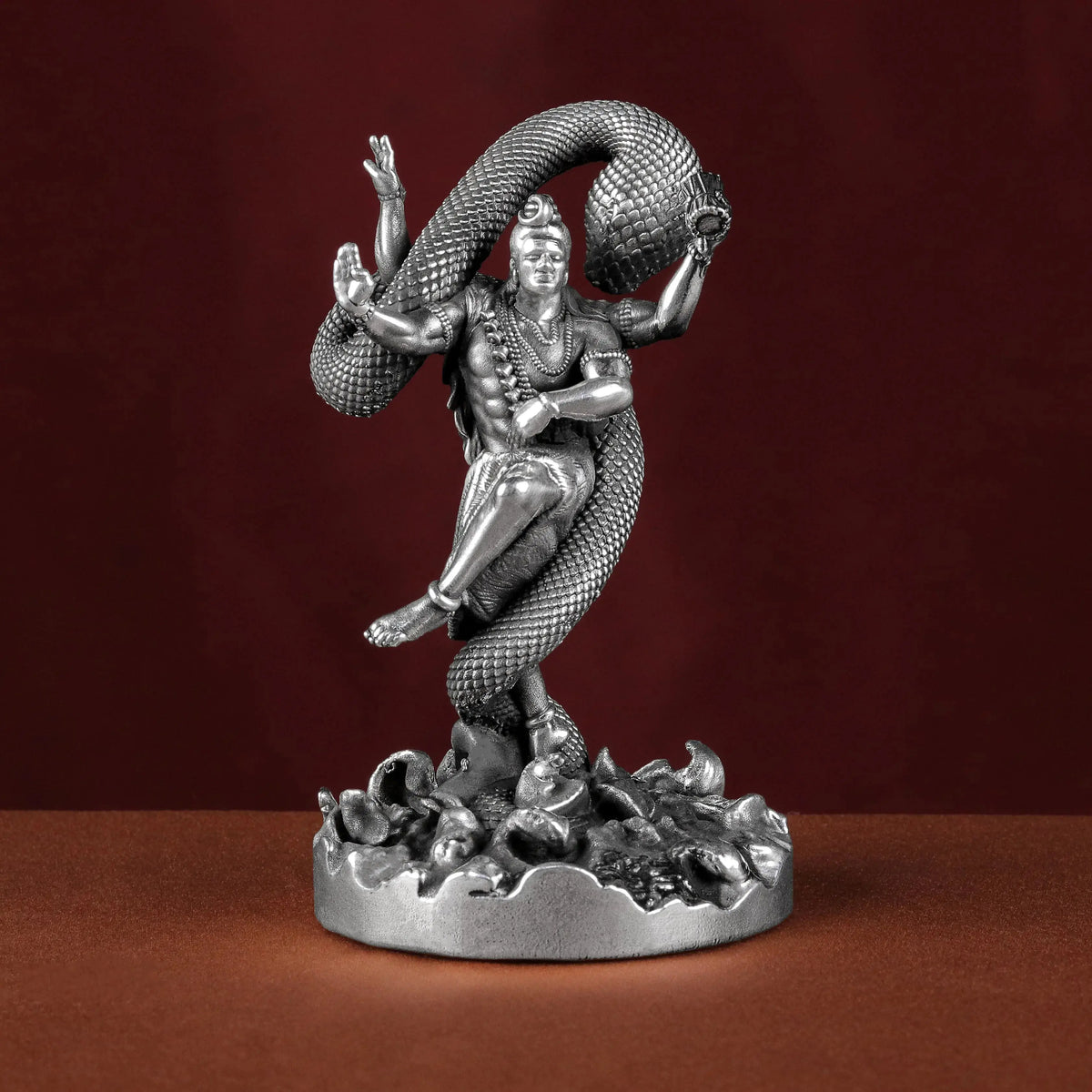
1. The Spiritual Significance of Lord Shiva
Lord Shiva is an important deity in the Hindu Trinity, known as the Trimurti, which also includes Lord Brahma and Lord Vishnu. While Brahma represents creation and Vishnu represents preservation, Shiva represents transformation and the dissolution of the universe.
However, Shiva's role is not simply associated with destruction. It represents the removal of negativity, ignorance, and unnecessary attachments, allowing new beginnings and spiritual growth.
Lord Shiva is also known as Adiyogi, the first yogi, and is considered the ultimate symbol of meditation, self-discipline, and spiritual knowledge.
His simple appearance, peaceful expression, and powerful symbolism teach important lessons about life. He reminds devotees to remain calm during difficult situations, control their desires, and maintain balance between material and spiritual responsibilities.
This is one of the reasons why Shiva statues are cherished in Hindu households. They represent devotion while serving as a reminder of strength, patience, and spiritual awareness.
2. Understanding the Symbolism of Shiva Statues
Every element associated with Lord Shiva carries a deeper spiritual meaning. These symbols make Shiva idols unique and meaningful.
The Third Eye: Lord Shiva's third eye represents higher consciousness, wisdom, and the ability to see beyond ordinary perception. It symbolises the destruction of ignorance and the awakening of spiritual knowledge.
The Trishul: Shiva's Trishul, or trident, is one of his most recognisable symbols. Its three prongs are often associated with the three gunas: Sattva, Rajas, and Tamas. It represents divine strength and the ability to overcome limitations.
The Damru: The Damru is a small two-headed drum that represents the cosmic rhythm of the universe. It is associated with creation, sound, and the continuous movement of existence.
The Crescent Moon: The moon resting on Shiva's head represents time, changing cycles, and control over the passage of time.
The Snake: The serpent around Shiva's neck represents fearlessness, control over desires, and freedom from worldly attachments.
The Ganga: The sacred River Ganga flowing from Shiva's hair represents purity, divine grace, and spiritual cleansing.
The Tiger Skin: Shiva's tiger-skin clothing represents mastery over animal instincts and worldly desires.
These elements give every Lord Shiva statue a distinctive appearance and connect traditional Indian sculpture with profound spiritual beliefs.
3. Different Types of Shiva Statues and Their Meanings
Lord Shiva is worshipped in several forms, each representing a different aspect of his divine personality. Understanding these forms can help you select a Shiva idol that matches your preferences and devotional practices.
Nataraja Shiva Statue
Nataraja is the cosmic dancing form of Lord Shiva. The word Nataraja means King of Dance. This form depicts Shiva performing the divine Tandava, representing the continuous cycle of creation, preservation, and destruction.
A traditional Nataraja statue usually features Shiva dancing within a circular ring of flames. His movements symbolise the cosmic rhythm and the eternal nature of existence.
Nataraja sculptures are appreciated for their detailed craftsmanship and artistic beauty. They make impressive additions to traditional interiors and spiritual collections.
Meditating Shiva Statue
The meditating form of Lord Shiva represents peace, concentration, self-control, and spiritual awakening.
These statues generally depict Shiva sitting in a yogic posture with a calm facial expression. They are particularly meaningful for meditation rooms, yoga spaces, and home mandirs.
A meditating Shiva idol can serve as a daily reminder to practise mindfulness, develop patience, and maintain inner balance.
Shivling Statue
The Shivling is one of the most sacred representations of Lord Shiva in Hindu worship. It symbolises the infinite and formless nature of the divine.
Shivling idols are commonly worshipped in temples and homes through traditional rituals and offerings. Devotees especially worship Lord Shiva on Mondays and during the auspicious festival of Maha Shivratri.
A beautifully designed Shivling idol can be a meaningful addition to a dedicated home mandir.
Shiva Trishul with Damru
The Trishul and Damru are two important symbols associated with Mahadev.
The Trishul represents divine power and the ability to overcome negativity, while the Damru symbolises the rhythm of creation and the universe.
A Shiva Trishul with Damru design is an excellent choice for devotees who appreciate the traditional symbols of Lord Shiva.
Shiv Damru Idol
The Shiv Damru idol celebrates the cosmic significance of the sacred drum. It represents the rhythm of existence, creation, and the spiritual connection between sound and the universe.
These designs are popular among people who appreciate distinctive devotional sculptures and traditional Indian artistry.
4. Why Keep a Shiva Statue at Home?
Keeping a Lord Shiva statue at home is a meaningful expression of faith and devotion. For many families, a Shiva idol becomes an important part of their daily prayer routine and religious traditions.
Here are some reasons people choose Shiva statues for their homes:
A Symbol of Peace: A peaceful Shiva idol can inspire calmness and encourage mindfulness in everyday life.
Spiritual Connection: Having a dedicated Shiva idol in a home mandir provides a focal point for prayers, meditation, and devotional activities.
Inspiration and Strength: Lord Shiva represents courage, transformation, and self-control. His symbolism reminds devotees to face life's challenges with patience and determination.
Traditional Home Décor: Beautiful Shiva sculptures bring a touch of Indian cultural heritage and traditional artistry into interior spaces.
A Reminder of Simplicity: Shiva's simple lifestyle and meditative nature remind us that true happiness is not dependent on material possessions.
The spiritual significance of a Shiva statue ultimately depends on individual faith, devotion, and personal beliefs.
5. Where Should You Place a Shiva Statue in Your Home?
Selecting an appropriate location for your Shiva idol can help create a peaceful and organised devotional space.
Home Mandir: A clean and dedicated prayer area is a traditional place for keeping a Lord Shiva statue. It provides a special space for daily worship and religious rituals.
Living Room: Artistic Shiva sculptures can be displayed in the living room as meaningful decorative pieces, particularly when they complement the surrounding interior design.
Meditation Space: A meditating Shiva statue is a suitable choice for yoga rooms and quiet corners used for mindfulness and spiritual practices.
Office or Study Room: Some people prefer placing a small Shiva idol in their workspace as a reminder of patience, concentration, and discipline.
When selecting a location, consider the size and style of the idol, available space, and your family's religious traditions. If you follow specific Vastu or worship guidelines, consult a knowledgeable practitioner for advice about the particular form of Shiva idol you choose.
6. How to Choose the Perfect Shiva Statue for Home?
Choosing the right Shiva statue involves considering its design, size, material, and intended placement.
Here are some important factors to consider before purchasing a Lord Shiva idol.
Choose Your Preferred Form: Decide whether you prefer a peaceful meditating Shiva, a Nataraja sculpture, a traditional Shivling, or a Trishul and Damru design.
Consider the Size: A small Shiva idol works well for compact home mandirs, shelves, and desks. Larger sculptures can become the focal point of spacious prayer rooms.
Check the Material: Shiva statues are available in different materials and finishes, including brass, metal, resin, stone, and other decorative materials. Select an option that suits your preferences and maintenance requirements.
Look at the Craftsmanship: Pay attention to the facial expression, posture, ornaments, symbolic details, and overall finishing of the statue.
Consider Your Interior Style: Choose a design that complements your surroundings while maintaining its devotional significance.
Taking these factors into account will help you find a Shiva statue that is meaningful, attractive, and suitable for your space.
7. Shiva Statues as Thoughtful Gifts
A Lord Shiva statue can make a meaningful gift for friends, family members, and loved ones on special occasions.
Whether it is a housewarming ceremony, wedding, anniversary, birthday, or religious festival, a Mahadev idol represents devotion, wisdom, strength, and spiritual connection.
A meditating Shiva statue can be a thoughtful gift for someone interested in yoga and meditation. A Shivling idol may be appreciated by devotees who follow traditional Shiva worship, while a Trishul with Damru design can be a distinctive gift for someone who admires Mahadev's symbolism.
When choosing a Shiva statue as a gift, consider the recipient's religious preferences, available space, and preferred design.
8. Explore Beautiful Shiva Statues at Artarium
Finding a Shiva idol that combines spiritual significance with beautiful design can make your devotional space even more special.
At Artarium, you can explore different representations of Lord Shiva that celebrate traditional symbolism and artistic expression.
Our Shiva statue collection features a variety of designs, including:
Shiv-Lingam Idol: A traditional representation of Lord Shiva, suitable for devotional spaces.
Mystical Shiva: An artistic sculpture depicting the divine dance associated with creation and transformation.
Lord Shiva Trishul with Damru: A distinctive design featuring two of Mahadev's most recognised symbols.
Shiv Damru Idol: A meaningful representation of the cosmic rhythm associated with Lord Shiva.
Shiv Trishul Idol: A decorative design inspired by Shiva's powerful trident.
Mystical Shiva Black with Golden Ornaments: An elegant artistic interpretation featuring contrasting colours and decorative detailing.
Whether you are looking for a Shiva idol for your home mandir, a devotional gift, or a meaningful addition to your home décor, explore the collection to find a design that matches your preferences.
9. How to Care for Your Shiva Statue
Proper maintenance helps preserve the beauty and detailing of your Shiva idol.
Follow these simple tips to keep your statue looking beautiful:
Clean the statue regularly using a soft, dry microfiber cloth.
Avoid abrasive materials and harsh chemical cleaners.
Follow the manufacturer's cleaning instructions according to the material and finish.
Keep the statue on a stable and clean surface.
Avoid placing it where it can be accidentally knocked over.
If you perform traditional water offerings, check whether the statue's material and finish are suitable for direct water contact.
With gentle care and regular cleaning, your Shiva statue can remain a cherished part of your home for years.
Conclusion
Lord Shiva represents transformation, wisdom, meditation, and the eternal balance of the universe. His different forms, from the peaceful meditating Mahadev to the dynamic Nataraja and sacred Shivling, carry deep spiritual and cultural significance.
A Shiva statues is more than a decorative sculpture. For devotees, it represents faith, inner strength, devotion, and a connection with India's rich spiritual traditions.
Whether you wish to create a peaceful home mandir, enhance your meditation space, or find a meaningful religious gift, choosing the right Lord Shiva idol can make the experience special.
Explore the beautiful collection of Shiva statues at Artarium and discover a design that reflects your devotion and appreciation for Mahadev.
Comments