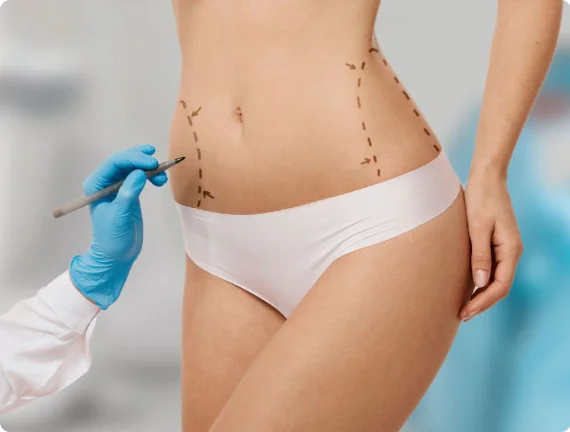
A mini tummy tuck is a body-contouring procedure designed for individuals who have excess skin concentrated in the lower abdomen, particularly the area below the belly button. However, the amount of skin removed during surgery is not the same for every patient. The decision depends on several individual factors, including skin elasticity, the location of loose tissue, abdominal proportions, the position of the belly button, and the patient's desired outcome.
For people considering Mini tummy tuck dubai, understanding how the extent of skin removal is determined can help clarify what the procedure is intended to achieve. Rather than following a standard measurement, a surgeon evaluates the lower abdominal area and considers how much tissue can be removed while allowing the remaining skin to sit naturally across the abdomen.
Dr. Shahram Sajjadi approaches this subject through the principles of individual assessment and surgical planning. Every abdomen has a different shape, and the amount of skin that can be removed depends on the relationship between the lower abdominal tissue, the surrounding skin, and the body's natural contours.
What Is a Mini Tummy Tuck?
A mini tummy tuck, sometimes called a mini abdominoplasty, is a surgical procedure primarily intended to address excess skin and mild contour concerns in the lower abdomen. It is generally considered when loose skin is concentrated below the belly button rather than extending across the entire abdominal area.
Unlike a full tummy tuck, which may involve more extensive skin removal and repositioning of the belly button, a mini tummy tuck typically focuses on a smaller area. The precise surgical approach varies according to the patient's anatomy and treatment goals.
The procedure is not simply about removing as much skin as possible. Its purpose is to improve the lower abdominal contour while maintaining a natural transition between the treated area and the surrounding body.
Patients exploring Best mini tummy tuck options should therefore understand that suitability depends on their individual needs rather than the popularity of a particular technique.
Why Is the Extent of Lower Abdominal Skin Removal Different for Every Patient?
The amount of skin removed during a mini tummy tuck is determined through a combination of physical examination, tissue assessment, and surgical planning. Two people may have similar amounts of visible lower abdominal skin but require different approaches because their skin quality, abdominal structure, and body proportions are not identical.
For example, one patient may have a small fold of loose skin immediately above the pubic area. Another may have a longer area of laxity extending from one side of the lower abdomen to the other. Although both may be concerned about the same region, the amount and distribution of removable skin can differ considerably.
The surgeon must also consider how the remaining skin will lie after closure. Removing more tissue does not automatically create a better contour. The objective is to determine an appropriate amount that suits the patient's anatomy and allows the incision to be closed without excessive tension.
This individualised assessment helps establish whether a mini tummy tuck is suitable or whether another abdominal contouring approach may better address the patient's concerns.
How Is Lower Abdominal Skin Laxity Assessed?
Skin laxity refers to the degree to which the skin has lost its firmness and ability to retract. It is one of the main considerations when determining how much lower abdominal tissue may be removed.
During a consultation, the surgeon examines the abdomen while the patient is standing and, when appropriate, in other positions. This allows the distribution of loose skin and the shape of the abdominal wall to be assessed more clearly.
The assessment may consider several characteristics:
- Location of excess skin: Whether the looseness is confined to the lower abdomen or extends above the belly button.
- Amount of skin folding: Whether a small fold or a more noticeable area of laxity is present.
- Skin elasticity: How well the skin responds when gently moved or stretched during examination.
- Tissue distribution: Whether the excess skin is central, extends towards the hips, or is unevenly distributed.
- Existing abdominal contour: How the lower abdomen relates to the waist, flanks, and upper abdominal area.
These observations help the surgeon estimate the extent of tissue removal that may be appropriate. The final plan is based on the overall abdominal structure rather than a single measurement taken from the skin.
How Does Skin Elasticity Influence Surgical Planning?
Skin elasticity plays an important role in determining how the lower abdominal skin will respond when excess tissue is removed. Skin that retains a reasonable degree of elasticity may adapt differently from skin that has become stretched and less resilient.
Changes in elasticity can occur after pregnancy, significant weight fluctuations, or the natural ageing process. These changes do not affect everyone in the same way, which is why a personal assessment is essential.
If the skin is loose primarily in the area below the belly button, a mini tummy tuck may be considered. However, if the laxity extends considerably into the upper abdomen, removing only the lower skin may not address the full concern.
The surgeon evaluates how the remaining skin is likely to settle following the planned removal. This helps determine whether the proposed procedure can provide a balanced result without creating an unnatural transition between the upper and lower abdomen.
Skin elasticity is therefore an important consideration, but it is not the only factor that determines the amount of tissue removed.
What Role Does the Position of the Belly Button Play?
The belly button is an important anatomical landmark during mini tummy tuck planning. Its position helps the surgeon understand how much lower abdominal skin may be removed while preserving the natural appearance of the central abdomen.
In a typical mini tummy tuck, the belly button generally remains in its existing position. The surgeon evaluates whether the lower abdominal skin can be tightened without creating an undesirable change in the relationship between the belly button and the pubic area.
If removing the planned amount of skin would pull the belly button too low or distort the surrounding contour, the surgical plan may need to be adjusted. In some cases, these considerations may indicate that a different procedure would be more appropriate.
The distance between the belly button and the lower abdominal fold is considered alongside skin laxity, abdominal proportions, and the intended incision position. No single distance determines suitability for every patient.
Preserving the natural relationship between these anatomical features helps guide a more proportionate surgical plan.
How Are Body Proportions Considered Before Skin Removal?
Abdominal skin removal should be planned in relation to the patient's overall body proportions. The lower abdomen does not exist in isolation; its shape influences how the waist, hips, and torso appear together.
During consultation, the surgeon considers the length of the torso, the width of the waist, the distribution of excess tissue, and the location of the natural abdominal folds. These details help determine the likely extent of improvement achievable through a mini tummy tuck.
For instance, a patient with a short torso may have different requirements from someone with a longer distance between the belly button and pubic area. Similarly, skin extending towards the sides of the abdomen may require a different assessment from skin that forms a small central fold.
The aim is to plan skin removal that complements the patient's existing anatomy. An appropriate amount of tissue removal should improve the lower abdominal contour without creating an abrupt or disproportionate appearance.
This is why the most suitable surgical plan cannot be determined from photographs or general descriptions alone. A clinical examination provides the information needed to assess individual proportions accurately.
Does Excess Fat Affect the Amount of Skin Removed?
Excess fat and excess skin are related but separate concerns. A patient may have loose skin with relatively little underlying fat, while another may have both skin laxity and a thicker layer of abdominal tissue.
A mini tummy tuck primarily addresses excess skin in the lower abdomen. It is not designed to serve as a weight-loss procedure, and removing skin does not automatically resolve every concern related to abdominal fullness.
During the assessment, the surgeon considers the thickness of the underlying tissue and whether fat distribution contributes to the appearance of the lower abdomen. If fat is a significant factor, the discussion may include whether another contouring technique is appropriate.
The amount of skin removed is still guided by the need to achieve a suitable closure and a balanced abdominal shape. It should not be increased simply to compensate for fullness caused by underlying fat or other anatomical factors.
Understanding the difference between skin laxity and fat distribution helps patients develop realistic expectations about what a mini tummy tuck can accomplish.
How Is the Appropriate Amount of Skin Removal Estimated?
The planning process combines clinical examination with an assessment of how the abdominal skin can be repositioned. The surgeon identifies the area of excess tissue, evaluates its mobility, and considers how the remaining skin will sit once the planned incision is closed.
Measurements and examination findings can help guide the proposed removal, but there is no universal quantity of skin that should be removed during every mini tummy tuck.
The surgeon considers whether the planned amount is consistent with the patient's abdominal dimensions and the intended incision location. The assessment also takes account of the position of the belly button and the distribution of skin above and below it.
The planned removal must be sufficient to address the identified lower abdominal laxity while remaining appropriate for the patient's anatomy. If the desired degree of tightening cannot be achieved within the limits of a mini procedure, the surgeon may discuss alternative approaches.
For this reason, an accurate estimate is made during an individual consultation rather than through a fixed formula.
What Should Patients Discuss During a Mini Tummy Tuck Consultation?
A consultation provides an opportunity to explain specific concerns and understand how the proposed treatment relates to the patient's anatomy. Patients should describe which areas of the lower abdomen bother them most and whether their concerns involve loose skin, fullness, or a combination of both.
Useful topics to discuss include:
- Whether the excess skin is limited to the area below the belly button.
- How much improvement may reasonably be expected from a mini tummy tuck.
- Whether the belly button is expected to remain in its current position.
- Where the incision is likely to be placed and how its length relates to the planned skin removal.
- Whether abdominal muscle concerns or excess tissue above the belly button require a different approach.
- How changes in body weight could affect the abdominal contour over time.
Patients should also discuss their medical history, previous abdominal procedures, and future pregnancy plans where relevant. These details can influence the choice and timing of treatment.
A clear discussion helps ensure that the surgical plan is based on realistic goals and a thorough understanding of the patient's needs.
Conclusion
Determining the extent of lower abdominal skin removal during a mini tummy tuck involves much more than estimating the size of a loose skin fold. Skin elasticity, the location and distribution of excess tissue, belly button position, body proportions, and underlying abdominal fullness all contribute to the assessment.
For anyone considering Mini tummy tuck dubai, an individual consultation is the most appropriate way to establish whether the procedure matches their concerns. The surgeon evaluates the lower abdomen, considers how the remaining skin may settle, and develops a plan suited to the patient's anatomy.
The goal is not to remove the greatest possible amount of skin. It is to identify an appropriate amount that can improve the lower abdominal contour while maintaining natural proportions. A personalised approach also helps clarify when a mini tummy tuck may be suitable and when a different procedure may better address the desired outcome.
Frequently Asked Questions
1. How much lower abdominal skin can be removed during a mini tummy tuck?
The amount varies according to the patient's skin laxity, abdominal proportions, tissue distribution, and the position of the belly button. The surgeon examines these factors to determine an appropriate amount of skin removal. There is no fixed measurement that applies to every patient.
2. Is a mini tummy tuck suitable for loose skin below the belly button?
A mini tummy tuck may be suitable when excess skin is mainly confined to the lower abdomen and the upper abdominal skin has reasonable firmness. A consultation is necessary to determine whether the procedure can address the patient's specific concerns.
3. Does the belly button move during a mini tummy tuck?
In a typical mini tummy tuck, the belly button usually remains in its existing position. However, the amount of skin that can be removed depends partly on whether the lower abdominal skin can be tightened while preserving a natural-looking relationship between the belly button and the pubic area.
4. Can a mini tummy tuck remove all loose abdominal skin?
A mini tummy tuck is designed to address a limited area of lower abdominal skin laxity. If loose skin extends above the belly button or across a larger part of the abdomen, a full tummy tuck may be more appropriate. The expected degree of improvement depends on individual anatomy.
5. Does skin elasticity affect the amount of tissue removed?
Yes. Skin elasticity helps the surgeon assess how the remaining tissue may adapt after the excess skin is removed. The assessment also considers the location of the loose skin, abdominal dimensions, and the amount of tightening that can be achieved through the planned procedure.
6. How is the incision length determined during a mini tummy tuck?
The incision length depends on the distribution and extent of excess skin, the intended removal, and the need for a suitable closure. The surgeon plans the incision in relation to the lower abdominal contour and the patient's anatomy rather than using one standard length for everyone.
7. Is a mini tummy tuck the same as liposuction?
No. A mini tummy tuck primarily removes excess skin from the lower abdomen, while liposuction removes selected deposits of fat. The appropriate procedure depends on whether skin laxity, fat distribution, or a combination of factors contributes to the patient's concerns.
8. When might a full tummy tuck be recommended instead?
A full tummy tuck may be considered when excess skin extends above the belly button, abdominal laxity is more widespread, or more extensive abdominal wall correction is required. The decision depends on the examination findings and the patient's treatment goals.
9. Does body weight influence mini tummy tuck planning?
Yes. Current weight and weight stability are considered during the assessment because significant weight changes can affect the abdominal contour and the amount of loose skin. A surgeon can advise whether the timing of treatment is appropriate for the individual's circumstances.
10. How can I find out whether I am suitable for a mini tummy tuck in Dubai?
The most useful next step is a consultation with a qualified plastic surgeon. During the appointment, the surgeon can examine the lower abdomen, assess skin elasticity and belly button position, discuss the desired outcome, and explain whether a mini tummy tuck or another approach is more suitable.
Comments