India Travel Authorization for South Africa Citizens
India tourist visa for South Africa Citizens allows South African travelers to visit India for tourism, sightseeing, cultural exploration, and short-term leisure trips. To enter India, travelers must apply for an approved visa before arrival, ensuring they have a valid passport, recent photograph, and complete online application. The process is simple and designed to make travel smooth for international tourists planning to explore India’s rich heritage, historical landmarks, and vibrant cities.
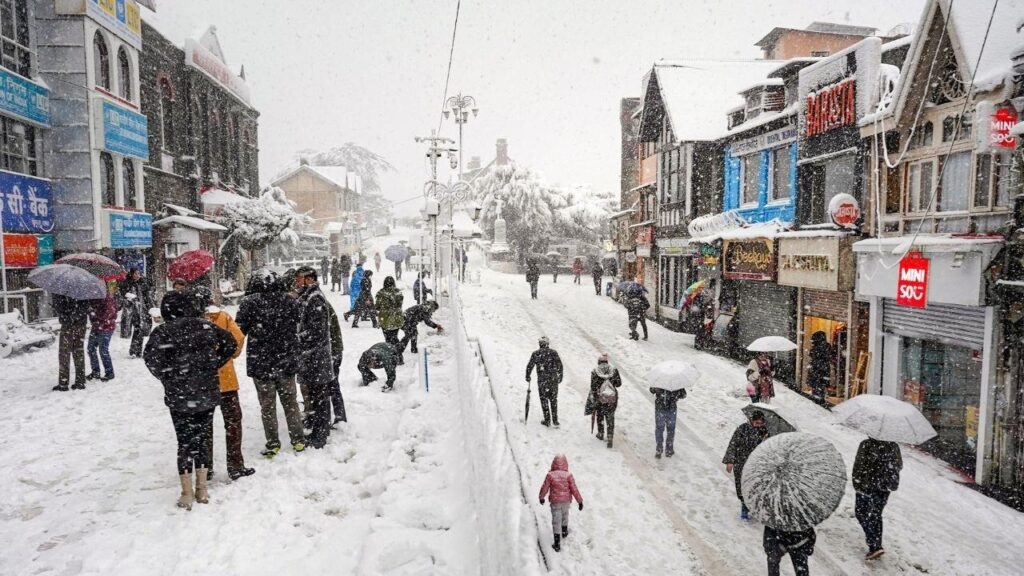
With the India tourist visa for South Africa Citizens , visitors can experience popular destinations such as Delhi, Agra, Jaipur, Kerala, and Goa while enjoying India’s diverse culture and traditions. It is important to follow immigration rules, carry a printed copy of the approved visa, and ensure all travel documents are valid throughout the stay. This ensures a hassle-free entry process and an enjoyable tourism experience in India.
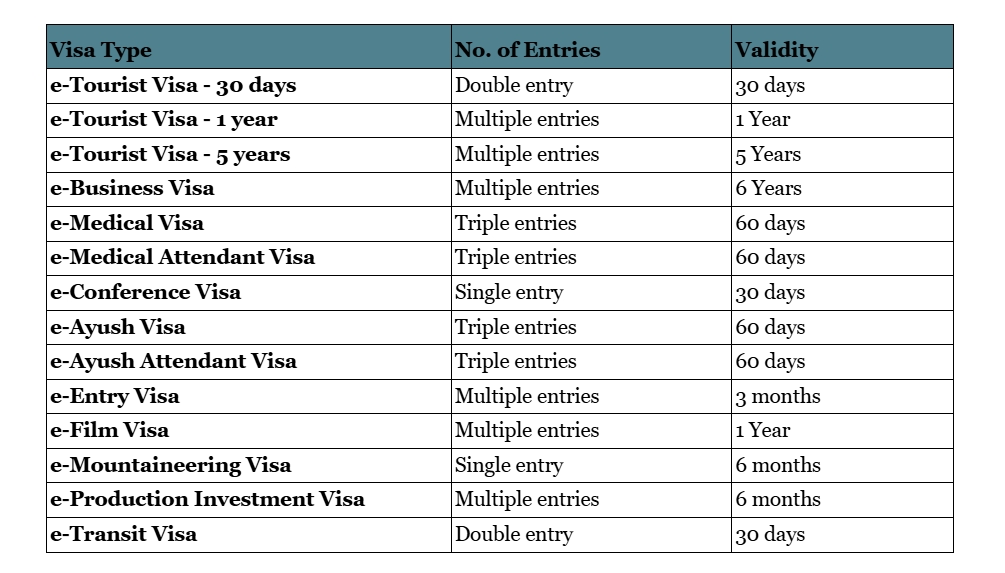
What are the Available Types of India Visa for South African Passport Holders?
India offers various visa categories tailored to the specific purpose of your visit. Selecting the correct category is crucial to avoid complications during your stay.
What Documents are Required for an India Visa Application?
Preparing your documentation accurately is the most effective way to prevent delays. While requirements vary by visa type, the following items are standard:
- Passport: A copy of your passport bio-data page. It must remain valid for at least six months beyond your planned date of entry.
- Photograph: A recent digital photograph meeting standard passport photo dimensions and clarity requirements.
Additional Specific Requirements:
- e-Medical/e-Ayush Visa: An official letter from the relevant hospital in India stating the suggested date of admission and treatment plan.
- e-Ayush Attendant Visa: The medical eVisa number of the patient receiving treatment.
- e-Business Visa: An official invitation letter from the Indian firm you are visiting, justifying the nature of the business.
- e-Conference Visa: A formal invitation letter from the organizing institution, agency, or NGO registered in India.
What is the Processing Time for an India Visa Application?
The time taken for your application to be approved depends on the method chosen.
- Normal Processing: Typically takes between 3 to 6 working days.
- Urgent Processing: Can be expedited to 1 to 3 working days depending on the specific service level selected.
How Do I Apply for an India Visa?
Applying for your travel authorization is a structured online process. Follow these general steps:
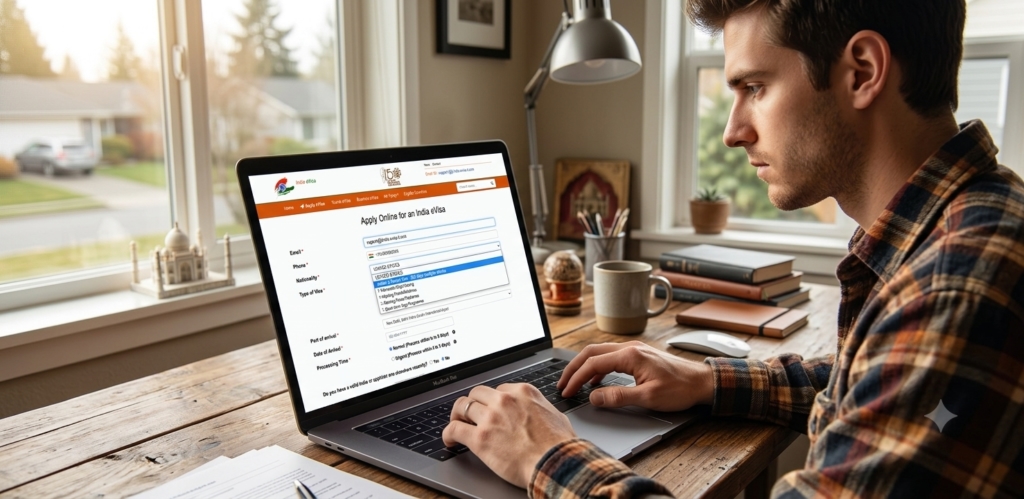
- Fill Online Form: Fill out the required details accurately. Ensure all passport information matches your physical document exactly.
- Upload Documents: Attach the required digital files (passport copy, photograph, and specific supporting letters) in the requested formats.
- Pay the Fees: Complete the payment using an accepted international payment method.
- Monitor Status: Use your reference number to track the progress of your application online.
- Receive Authorization: Once approved, download and print the electronic authorization to carry with you during your travel.
Is Bank Balance Proof Required for India Visa Approval?
Bank balance proof is generally not required at the time of applying for an India tourist or short-term visa, as the online application usually focuses on passport details, photo, and travel information. However, immigration officers may still ask for proof of sufficient funds upon arrival to ensure you can support your stay in India. While not mandatory for approval in most cases, it is strongly recommended to carry bank statements or a financial proof document to avoid any issues during entry checks and to demonstrate that you can comfortably cover your travel expenses.
What are Sustainable Travel Taxes in India for Tourists?
Unlike some countries that charge a direct "tourist tax" at borders, India’s approach to travel-related revenue is largely integrated into service costs.
- TCS (Tax Collected at Source): If you are booking overseas tour packages through specific travel operators, there may be regulatory taxes applied to the total package cost.
- Inclusions: Many hotel room tariffs and service charges include various Goods and Services Taxes (GST).
- Advice: Always verify if your tour package quote includes all applicable taxes to avoid surprises at the time of payment or during hotel check-out.
What Currency is Used in India for Tourists?
The currency used in India for tourists is the Indian Rupee (INR), which is the official national currency accepted across the country for all types of transactions.
- Official currency: Indian Rupee (INR) is used throughout India.
- Common usage: Accepted in hotels, restaurants, transport, and shopping areas.
- Cash & digital payments: Both cash and digital methods like UPI are widely used.
- Exchange option: Foreign tourists can convert their currency at banks, airports, or authorized exchange centers.
- ATM access: International debit and credit cards can be used to withdraw INR from ATMs.
What are India Customs Rules for Duty-Free Items?
Navigating customs requires understanding what you are permitted to bring into the country.
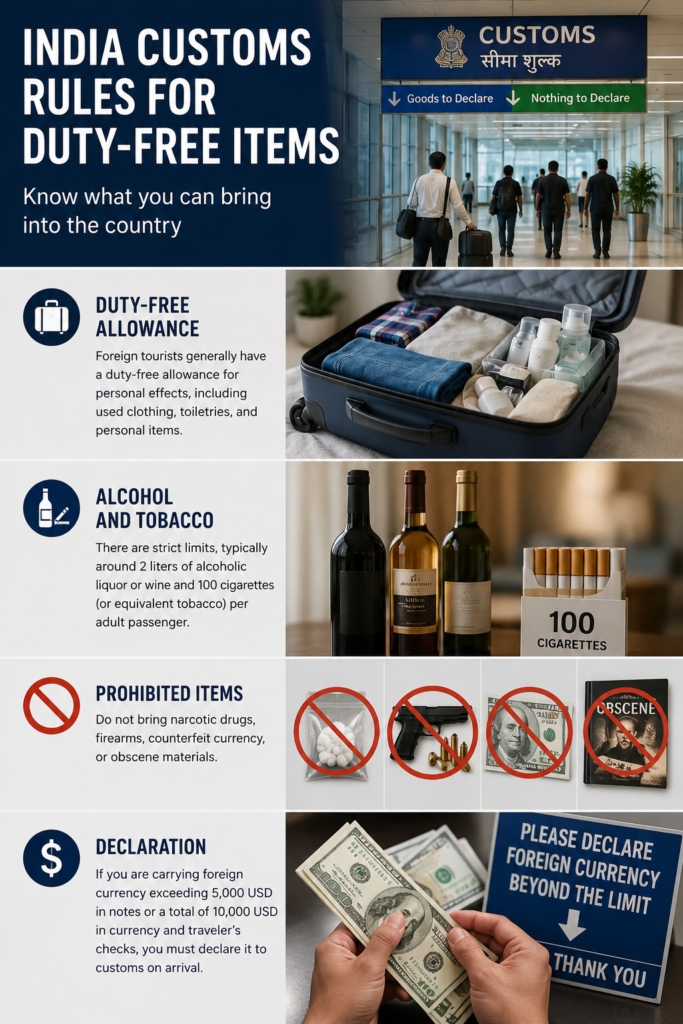
- Duty-Free Allowance: Foreign tourists generally have a duty-free allowance for personal effects, including used clothing, toiletries, and personal items.
- Alcohol and Tobacco: There are strict limits, typically around 2 liters of alcoholic liquor or wine and 100 cigarettes (or equivalent tobacco) per adult passenger.
- Prohibited Items: Do not bring narcotic drugs, firearms, counterfeit currency, or obscene materials.
- Declaration: If you are carrying foreign currency exceeding 5,000 USD in notes or a total of 10,000 USD in currency and traveler’s checks, you must declare it to customs on arrival.
What are the Eligibility Criteria for an India Visa Application?
Eligibility criteria for an India visa application refer to the basic requirements that foreign travelers must meet in order to be approved for entry into India.
- Valid passport: Must have at least 6 months validity from the date of arrival.
- Approved nationality: Applicant must belong to a country eligible for an India visa or eVisa.
- India visa online apply for Spain citizens
- India visa process for Sri Lanka citizens
- India visa for Suriname citizens
- India eVisa application for Swaziland Citizens
- India visa requirements for Sweden Citizens
- Purpose of travel: Must clearly match visa types such as tourism, business, or medical visit.
- Online application: Complete and accurate submission of the visa form is required.
- Supporting documents: Passport copy, photograph, and additional documents depending on visa category.
- Clean travel record: Applicants should not have any immigration violations or restrictions.
What are the Penalties for Overstaying an India Visa?
Penalties for overstaying an India visa refer to the legal consequences faced by foreign nationals who remain in India beyond their permitted visa validity period.
- Fines and penalties: Overstayers may be required to pay monetary fines depending on the duration of overstay.
- Legal action: In serious cases, immigration authorities may initiate legal proceedings.
- Detention risk: Extended overstays can lead to detention or deportation.
- Future visa impact: Overstaying can negatively affect approval of future India or other country visas.
- Exit delays: Travelers may face additional checks and delays at the time of departure.
Can I Enter Duty-Free in India Without a Passport Copy?
No, you cannot enter India or pass through immigration and customs without your physical, valid passport. Your passport is your primary identity document and is mandatory for all international travel. While you may have digital copies stored for convenience, the immigration official will require the original document to stamp your entry and verify your visa. Never rely solely on a copy of your passport for travel logistics.
What are the Top Tourist Places in India for First-Time Visitors?
India is a vast country with diverse experiences. For a first-time visitor, these iconic locations offer a perfect introduction:
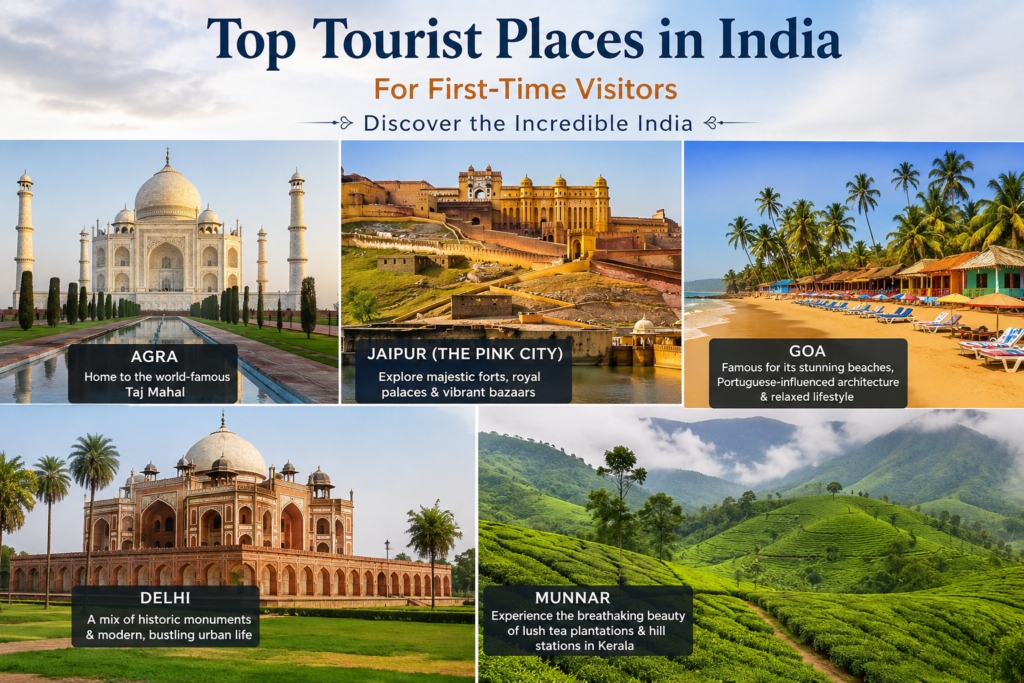
- Agra: Home to the world-famous Taj Mahal, a symbol of architectural beauty.
- Jaipur (The Pink City): Explore majestic forts, royal palaces, and vibrant local bazaars.
- Goa: Famous for its stunning beaches, Portuguese-influenced architecture, and relaxed lifestyle.
- Delhi: A mix of historic monuments (like Humayun’s Tomb) and modern, bustling urban life.
- Munnar: Experience the breathtaking beauty of lush tea plantations and hill stations in Kerala.
Conclusion:
Securing your travel authorization is the vital first step toward discovering the diversity and beauty of India. By choosing the correct visa category, preparing your documentation with care, and familiarizing yourself with local customs and rules, you can ensure a smooth and enjoyable experience. Whether you are visiting for the historic architecture of the north or the serene landscapes of the south, being well-prepared allows you to focus on the cultural richness that awaits. Always respect the local regulations, keep your travel documents secure, and embrace the vibrant journey ahead with confidence.
Comments